

In a world driven by social media, it’s easy to design a life that looks good — aesthetically pleasing spaces, curated routines, and perfectly styled moments.
But behind the scenes, many people feel overwhelmed, exhausted, and disconnected.
A beautiful life on the outside doesn’t always mean a fulfilling life on the inside.
This guide is about shifting your focus — from appearance to experience. From external validation to internal alignment. From doing what looks right… to doing what actually feels right.
Why “Looking Good” Isn’t Enough
Modern lifestyles often prioritize:
productivity over well-being
aesthetics over function
appearance over experience
This creates a disconnect.
You might have:
a beautifully organized desk
a well-decorated home
a structured daily routine
…but still feel:
mentally drained
unmotivated
disconnected
Because a life that looks good is not always designed to support your energy.
Step 1: Redefine What “Feels Good” Means to You
Before changing your life, you need clarity.
Ask yourself:
What activities give me energy instead of draining it?
When do I feel most calm and focused?
What parts of my day feel forced or exhausting?
This step is about awareness — not perfection.

Step 2: Design Your Day Around Energy, Not Time
We’ve all been taught to “manage our time,” but time is a finite resource. Energy, on the other hand, is what actually gets the work done.
In the world of high performance, this shift is known as energy management—a much more effective way to improve focus and productivity than simply staring at a clock.
Most of us treat our day like a flat line, but our bodies don’t work that way. Instead of asking:
“What do I have to get done today?”
Try asking yourself:
“When am I actually at my best?”
The Energy Alignment Framework:
- Peak Energy: Save this for “Deep Work”—the big, creative tasks that truly move the needle.
- Steady Energy: Perfect for meetings, emails, and daily communication.
- The Slump: This is your time for “shallow work”—admin tasks, light work, or simply taking a well-deserved break.
When you stop fighting your natural rhythm, productivity feels less like a grind and more like a flow.
But here’s the reality: even with a perfect plan, your environment can still work against you. A noisy or cluttered space is often an invisible energy drainer.
Small distractions—the hum of appliances, background conversations, or constant notifications—can quietly reduce your focus before you even begin.

When you intentionally create a calm, distraction-free environment, you’re not just being organized—you’re protecting your energy. This makes it much easier to stay focused and aligned with your natural rhythm throughout the day.
If you often feel like you’re constantly losing focus, it’s likely not a lack of discipline—it’s just your environment. The right tools can help reduce distractions and support the deep concentration you need to do your best work.
Step 3: Remove What Looks Good but Feels Wrong
Not everything that looks good is right for you.
This includes:
routines you copied from others
trends that don’t fit your lifestyle
environments that look nice but feel stressful
Letting go is essential.
A simpler life isn’t about having less — it’s about removing what doesn’t serve you.
Step 4: Build a Functional (Not Just Beautiful) Environment
Your environment should support your life—not just decorate it.
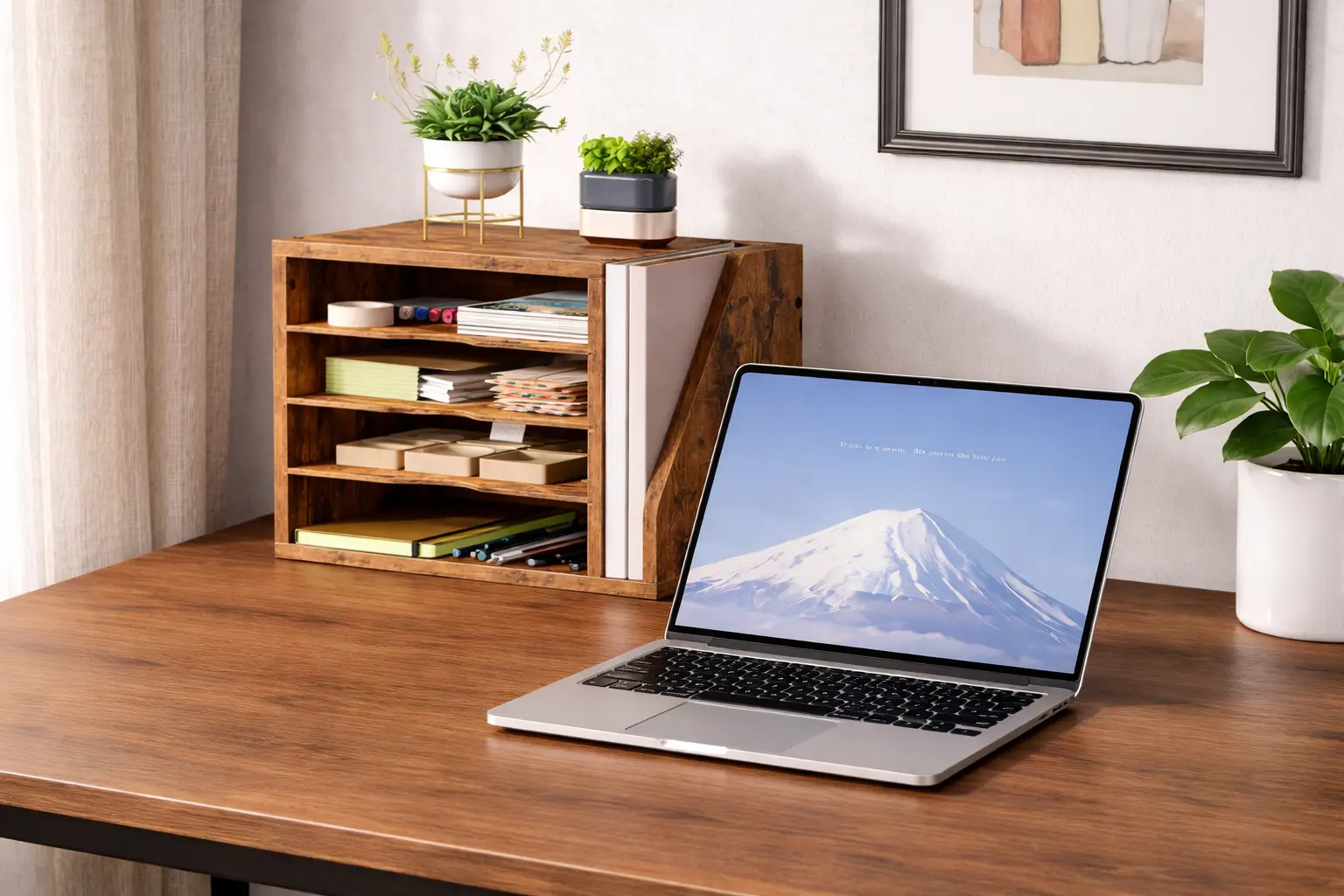
It’s easy to get caught up in the “perfect look.” A workspace can be stunning, minimalist, and 100% “Instagram-worthy”… but still feel mentally draining if it doesn’t actually work for you.
That’s because hidden friction—like a drawer that sticks or having to dig for a pen—quietly adds a “micro-stress” to your day. These small annoyances make simple tasks feel much heavier than they should.
Prioritize what actually matters:
Usability: Is everything you need within arm’s reach?
Comfort: Does the space invite you to sit down, or does it feel stiff?
Clarity: Can you think clearly, or is the “decor” just more visual noise?
Instead of asking:
“Does this look good?”
Try asking yourself:
“Does this actually make my life easier?”
Even the smallest tweaks—like clearing your immediate line of sight or keeping your daily essentials organized—can lift a massive weight off your shoulders. When you remove physical friction, you reclaim mental energy.
Step 5: Create Systems Instead of Relying on Motivation
Motivation is unreliable. Systems are sustainable.
Instead of:
“I’ll do this when I feel motivated”
Build:
simple routines
repeatable habits
frictionless setups
Example:
Keep tools within reach
reduce decision-making
automate small tasks
Step 6: Reduce Invisible Stress (The Real Energy Killer)
Not all stress is obvious.
Invisible stress includes:
clutter
constant notifications
unfinished tasks
decision fatigue
These quietly drain your energy every day.
How to reduce it:
clear your workspace
limit digital noise
simplify choices
Step 7: Build a Life That Supports You Daily
A good life isn’t built in big moments. It’s built in small, repeated actions.
Focus on:
consistency over intensity
clarity over complexity
feeling over appearance
You don’t need a perfect life.
You need a life that:
feels calm
supports your energy
aligns with who you are
Final Thoughts
A life that looks good might impress others.
But a life that feels good will sustain you.
Instead of chasing aesthetics, start designing experiences.
Instead of following trends, follow what works for you.
Because in the end, the goal isn’t to build a life that others admire —
it’s to build a life you actually enjoy living.