


What Is Forest Bathing (Shinrin-yoku)?
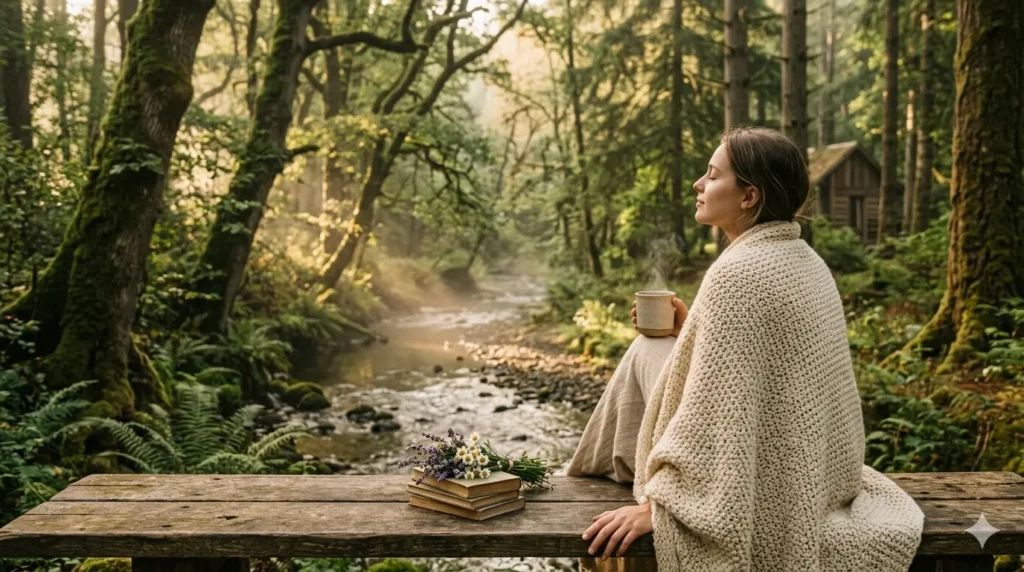
Forest bathing, or Shinrin-yoku, originated in Japan as a natural response to stress, burnout, and modern mental fatigue. Rather than focusing on distance, performance, or physical challenge, forest bathing invites you to immerse yourself in a natural environment and engage all five senses.
- It is not exercise: Forest bathing is a mindfulness-based nature practice, not a workout.
- It is sensory immersion: The goal is to notice the scent of the air, the texture of bark, the movement of leaves, and the sounds of the forest.
- It supports emotional balance: This eco-therapy practice helps bridge the gap between busy modern life and the calming rhythm of nature.
Forest Bathing Benefits Backed by Science
One of the reasons forest bathing benefits have gained attention worldwide is because they are supported by scientific research. Trees release natural compounds called phytoncides, and studies suggest that breathing these in may positively affect both mental and physical well-being.
- Reduces stress naturally: Forest bathing may help lower cortisol levels, allowing your body and mind to relax more deeply.
- Supports immune health: Some studies suggest it can increase natural killer (NK) cell activity.
- Improves focus and clarity: Time in nature can help reduce brain fog and restore attention.
- Enhances mood: A slower connection with nature helps you feel calmer and more grounded.
How to Practice Forest Bathing for Mental Wellness
You do not need special gear to begin. Here are five simple steps to start your own forest bathing practice:
- Unplug completely: Leave your phone on silent to create a true digital detox.
- Slow your pace: Walk gently and without a goal.
- Observe your surroundings: Notice the patterns of leaves and the scent of damp earth.
- Engage your sense of touch: Feel the bark of a tree or the softness of moss.
- Rest in stillness: Sit quietly for at least 20 minutes to settle your nervous system.
Forest Bathing vs. Hiking: What’s the Difference?
Many assume spending time in nature involves hiking or camping. But forest bathing is very different. While hiking focuses on movement and distance, forest bathing focuses on presence, awareness, and the sensory experience.
How to Bring the Forest Bathing Experience Home
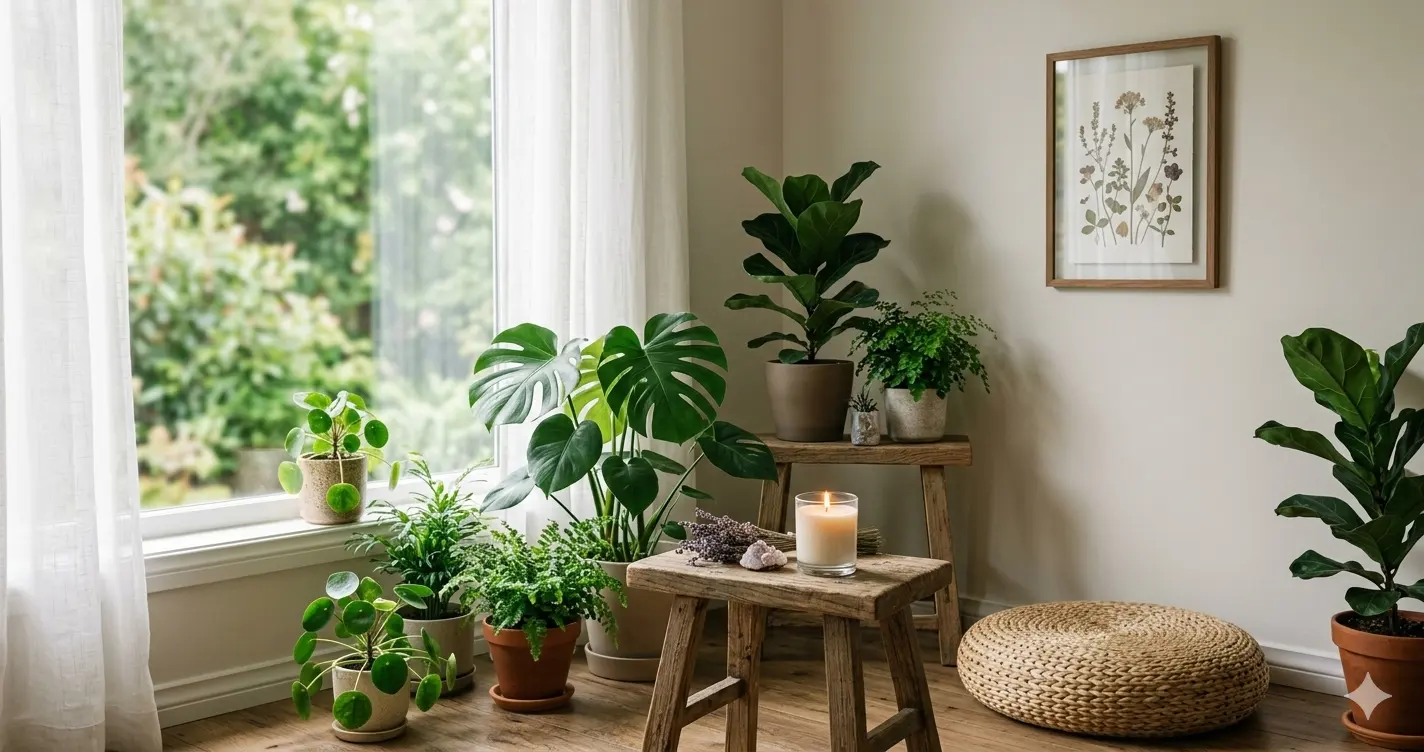
Even if you cannot visit a forest, you can recreate the experience of forest bathing at home by engaging your senses:
- Aroma: Use Sandalwood and Moss Soy Candles to recreate the forest floor scent.
- Texture: Sit on a Hand-Woven Rattan Meditation Seat to feel connected to natural fibers.
- Visual calm: Decorate with Hand-Pressed Wildflower Wall Frames for constant inspiration.
Pair this with our protect your energy guide to finalize your sanctuary.
Final Thoughts on Forest Bathing Benefits
Forest bathing benefits go far beyond simple relaxation. Whether in a real forest or via a ritual at home, it reminds you to slow down and return to yourself.
Create Your Home Sanctuary
Enhance your daily eco-therapy ritual with our curated collection of nature-inspired products.
Frequently Asked Questions About Forest Bathing
What is the best time for forest bathing?
The best time for forest bathing is usually early morning or late afternoon, when the environment is quieter. Any time works as long as you can be present for at least 20 to 30 minutes.
How long should a forest bathing session last?
A typical forest bathing session can last from 20 minutes to 2 hours. Even short sessions provide mental clarity and emotional reset.
Can I practice forest bathing at home?
Yes. You can recreate forest bathing at home by using natural scents, botanical decor, and mindful silence.